Recycling & Sustainability at Gardening Edmonton
 Gardening Edmonton is committed to creating an eco-friendly waste disposal area and a thriving sustainable rubbish gardening area across the city. Our program blends practical recycling, community partnerships and low-carbon logistics so local gardeners can reduce landfill contributions while improving soil health. We promote a neighbourhood-led approach to garden recycling, offering clear options for green waste, pots and mixed recyclables — a city-wide push to make every garden a hub of circular reuse.
Our core ambition is transparent: reach a 70% recycling percentage target for garden and household-related materials by 2030, focusing first on green waste and container recycling. That goal drives everything from on-the-ground collections to how we route vehicles. We work alongside municipal systems and the regional network of transfer facilities to ensure waste is directed to the best available processing centre.
 We align with the boroughs' approach to waste separation and the local ward-based sorting programs that have been adopted across Edmonton neighbourhoods. Many communities already separate organics, paper/cardboard and containers at source; Gardening Edmonton complements that by providing targeted services for bulky garden items, plant pots, soil and wood chippings. Through coordinated separation, gardeners can keep valuable organics out of landfill and divert reusable materials to charity or recycling streams.
We maintain active relationships with local transfer stations and processing sites, including municipal transfer stations and the Edmonton Waste Management Centre, to ensure green waste and recyclables are processed responsibly. By routing garden waste through these regional facilities we prioritize composting and biomass recovery over landfilling. Our operations emphasize local processing whenever possible to reduce haul distances and associated emissions.
 Partnerships are central to our model. Gardening Edmonton works with charities and community organisations — donating gently used tools, clean pots, soil amendments and surplus produce to local food charities and community gardens. We collaborate with Habitat for Humanity affiliates, community food banks and neighbourhood green teams to redistribute materials that are fit for reuse. These partnerships increase circularity and extend the life of garden resources.
To support low-carbon logistics we are investing in a fleet of low-carbon vans, including electric and hybrid vehicles and trucks optimized for urban routes. Delivery and collection schedules are planned with route optimization software to reduce mileage and idling time. We also trial biodiesel blends and charging infrastructure at our depots, aligning vehicle choices with our carbon reduction commitments and helping customers choose greener pickup options.
Our sustainable rubbish gardening area practices include:
- On-site composting and municipal green carts to divert plant trimmings and kitchen organics.
- Chipping and mulching services for branches and woody debris, turning waste into landscape-grade material.
- Reuse and redistribution of pots, trellises and garden fixtures through charity partners.
- Dedicated collection lanes at events for plastics, glass and metals commonly used in gardens.
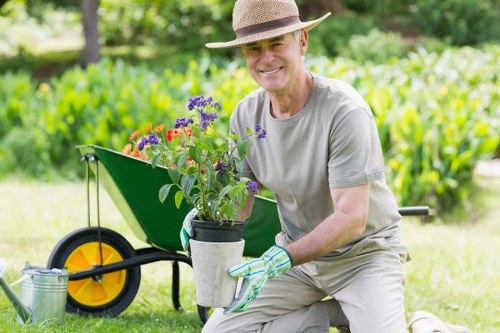 How we measure success: we track the proportion of material diverted from landfill, greenhouse gas reductions from vehicle fuel savings, and the tonnage of organic matter sent to composting or biomass recovery. Annual reporting includes a breakdown by type (green waste, pots, soil, wood) and by geographic area so progress in each ward can be compared. We also monitor engagement rates for local recycling initiatives and quantify donations routed to charity partners.
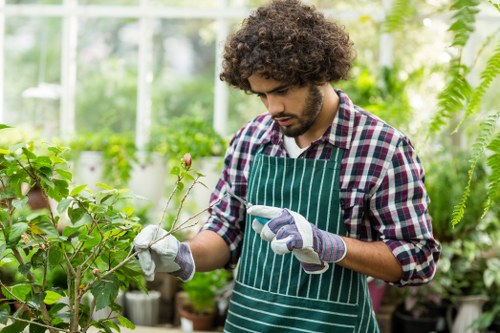 Community involvement is essential. Gardening Edmonton supports neighbourhood workshops, collection drives and community compost hubs that let residents participate in reuse and recycling without needing specialised equipment. By combining municipal curbside separation with local transfer station access, charity partnerships and low-emission collection vehicles, we aim to create a resilient, circular system for garden waste that benefits soil, biodiversity and the city's carbon goals.
Practical steps for gardeners
Gardeners can help today by separating organics at source, rinsing and storing reusable containers for donation, and choosing low-carbon pickup options when arranging bulky waste removal. Small changes — like preferring compostable mulches, repairing rather than replacing planters, and donating surplus soil and tools — add up. We encourage local groups to coordinate drop-offs at transfer stations or community reuse centres, making it easy to keep useful materials in circulation.
Next steps and ongoing initiatives
Gardening Edmonton continues to expand its sustainable rubbish gardening area services through pilot projects, expanded charity networks and an evolving green fleet. Our pledge is to maintain transparency on progress toward the recycling percentage target, increase the number of community transfer stations using circular practices, and accelerate adoption of clean-vehicle logistics. Together, gardeners, charities and municipal partners can create an enduring model for eco-friendly waste disposal areas across Edmonton.
Join us in making every garden part of the city’s sustainable future — reducing waste, supporting charities, and cutting emissions one collection at a time.