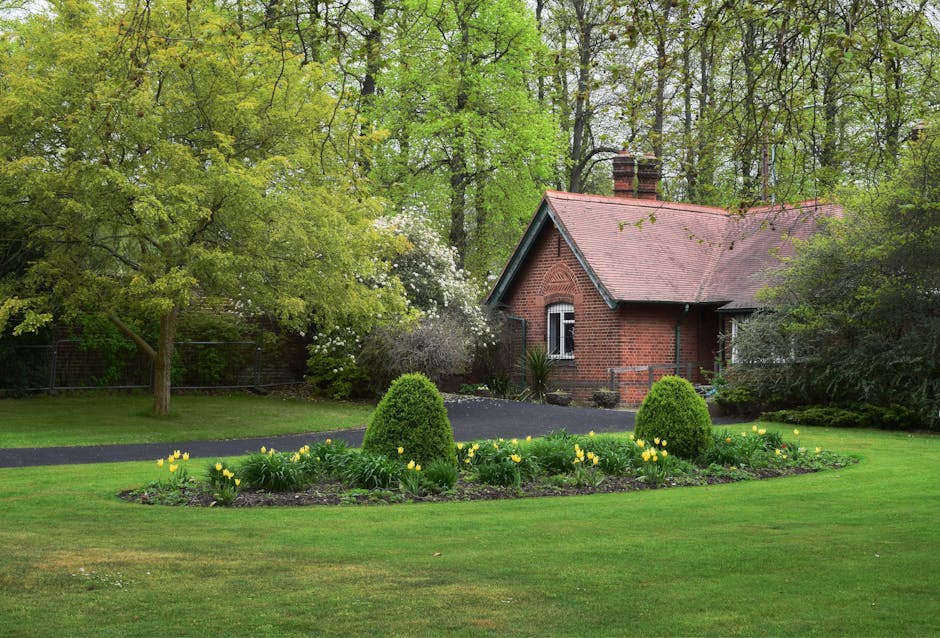
Pymmes Park Edmonton estate gardeners for tight front plans
If you are trying to make a small front garden look tidy, welcoming, and properly finished, you already know the challenge: there is never quite enough space, the path feels narrow, and one wrong planting choice can make everything feel cramped. That is where Pymmes Park Edmonton estate gardeners for tight front plans come in. The job is not just to "add some plants". It is to shape a front space so it works hard, looks balanced from the street, and stays manageable through the seasons.
In this guide, we will look at what makes tight front plans tricky, how experienced gardeners approach them, and which choices tend to give the best results in Edmonton-style residential streets and estate settings. You will also find a clear step-by-step process, common mistakes to avoid, and a practical checklist you can use before any work begins. Truth be told, small front gardens are often the most revealing part of a home. Get them right, and the whole property feels more settled.
Why Pymmes Park Edmonton estate gardeners for tight front plans Matters
Small front gardens carry more pressure than people expect. They are the bit visitors see first, the space that frames the house, and the area most likely to look messy if it is overplanted or badly maintained. In estate streets near Pymmes Park and around Edmonton, front plots are often compact, visible, and exposed. That means every line, plant, and finish has to earn its place.
A tight front plan is really a design problem with practical consequences. If shrubs grow too wide, they block windows or squeeze the path. If paving is too dominant, the garden feels hard and bare. If borders are too fussy, the upkeep becomes a weekly job nobody enjoys. Good gardeners understand that balance. They think about movement, scale, light, drainage, and sightlines before they think about colour. That order matters.
There is also a local feel to consider. Front gardens in this part of London often need to deal with mixed soil, reflected heat from paving, limited planting depth, and the simple reality that front spaces see a lot of foot traffic. On a damp morning, you can feel how quickly moss, leaf litter, and compacted soil change the look of a neat entrance. A sensible plan handles all of that without making the space feel overworked.
Expert summary: the best front garden plans for compact Edmonton homes are usually restrained, layered, and easy to maintain. They do not shout. They just look right.
How Pymmes Park Edmonton estate gardeners for tight front plans Works
The process is usually more careful than dramatic. Good gardeners start by measuring the space properly, then they work out how the front garden needs to function day to day. Is it mainly for access? Does it need privacy from the street? Is there room for planting beds, or is this mostly a paving-and-planter situation? Those questions shape everything else.
From there, a tight front plan tends to follow a few practical stages:
- Assessment: look at width, depth, light, drainage, soil, boundary lines, and any existing hard surfaces.
- Prioritising use: decide what matters most - neat entrance, easy access, low maintenance, more planting, or a stronger visual frame.
- Designing proportions: scale plants and features to the frontage so the garden does not feel crowded.
- Preparing the ground: clear debris, improve the soil where needed, and sort out edges, levels, or compacted areas.
- Installing structure: add edging, paths, raised planters, containers, or small retaining features if useful.
- Planting and finishing: choose plants that stay within bounds and provide year-round shape.
- Maintenance planning: set a realistic routine so the garden stays neat instead of drifting into overgrowth.
In practice, this means the garden is designed to be seen from both close up and from the pavement. That sounds obvious, but many front plans fail because they look fine from one angle and awkward from another. You want the entrance to feel open, the planting to feel intentional, and the whole frontage to read as one coherent piece.
If a property already needs a broader refresh, a gardener may combine front-plan work with landscape gardening or ongoing garden maintenance. That way the design and upkeep are not fighting each other from day one.
Key Benefits and Practical Advantages
The main benefit is simple: a small front garden starts looking deliberate instead of squeezed in. But there is more to it than appearances. A good tight front plan can improve access, reduce maintenance time, and make the whole property feel better cared for. That matters if you live there, but it also matters if you are thinking about presentation and long-term value.
Here are the most useful advantages people notice:
- Better first impressions: a tidy frontage sets the tone before anyone reaches the door.
- More usable space: smart layout can make a small area feel wider and easier to move through.
- Lower maintenance pressure: the right plants and edging reduce constant cutting back and reshaping.
- Cleaner boundaries: a compact plan can make paths, steps, bins, and entrances feel more organised.
- Seasonal interest: layered planting gives the garden something to offer beyond one brief flowering period.
- Better drainage and resilience: sensible surfaces and planting choices help the garden cope with wet weather and everyday wear.
There is also a subtler benefit: confidence. Once a small front space is ordered properly, you stop noticing the clutter and start noticing the details - the shape of a shrub, the clean edge of a path, the way light falls across the frontage at 5pm. That little shift is worth something.
Who This Is For and When It Makes Sense
This kind of work makes sense for homeowners, landlords, and estate property managers who want a smarter front entrance without turning the place into a full-scale landscaping project. It is especially relevant if the front garden is narrow, shallow, awkwardly shaped, or shared with steps, railings, or a small porch area.
It is a good fit if:
- the front garden looks cramped or cluttered
- you want something tidy but not high-maintenance
- the current planting has outgrown the space
- the entrance feels visually harsh or unfinished
- you need to improve presentation for tenants, visitors, or buyers
- the garden needs practical updates rather than a complete rebuild
It may also be the right time if you have just had paving work, fencing repairs, or clearance done and want the frontage to feel "finished" again. A common scenario: the hard landscaping is fine, but the planting is either too sparse or too bulky. That half-finished look is very familiar, and to be fair, it is usually fixable without drama.
If the plot needs clearing before any design can happen, a visit to garden clearance services is often the cleanest starting point. And if the front space is mainly being improved as part of a wider property refresh, services overview pages can help you compare what is practical.
Step-by-Step Guidance
1. Measure the real usable space
Start with the honest dimensions, not the hopeful ones. Include the path, the gate swing, the front step, bin storage, and any awkward corners. In a tight front plan, every 30 centimetres matters more than you think.
2. Decide what the garden must do
Ask the practical questions first. Should it soften the house frontage? Frame the entrance? Create privacy? Stay low? Support pots? Keep clear access for prams, deliveries, or mobility needs? A good plan is built around use, not just looks.
3. Keep the structure simple
Small spaces usually look better with one or two strong ideas than with lots of tiny features. A narrow border, a neat edge, a restrained planter, and a repeated plant palette often work better than a busy mix. Less fuss, more clarity.
4. Choose plants that behave themselves
By "behave", we mean plants that do not outgrow the space in six months. Compact evergreens, seasonal colour in controlled pockets, and plants with manageable width are usually safer than fast, sprawling choices. If you need height, use it sparingly and place it where it will not block light or sightlines.
5. Build from the ground up
Before planting, make sure the soil is improved where needed and that the drainage is not fighting the layout. Compact front gardens often suffer from hard soil and tired beds. A bit of proper preparation pays off later. Honestly, most good results start underground, not above it.
6. Finish with edges, surfaces, and repetition
Sharp edging, consistent materials, and repeated planting patterns help a small front space feel calm. Repetition is underrated. It is one of those quiet design tricks that makes people say, "something looks better here," without always knowing why.
7. Set the maintenance rhythm early
Do not leave upkeep vague. A tight front plan needs light but regular care. That might mean trimming, deadheading, sweeping, checking drainage, and removing self-seeded growth before it gets established. If you want a frontage that stays smart, routine is the secret ingredient.
Expert Tips for Better Results
Here is the practical stuff that tends to separate a decent front garden from one that really works.
- Use fewer plant species than you think. A limited palette often looks more expensive and more settled.
- Keep taller plants away from entrances. You want breathing room where people walk and pause.
- Repeat shapes. Rounded planting repeated in a few places can calm a very narrow space.
- Watch the winter view. Front gardens need structure when flowers are gone, not just in June.
- Leave room for daily life. Bins, deliveries, wet shoes, garden tools - the small real-world things matter.
- Test sightlines from the pavement. Step back and look from outside. That is where the true design story is told.
A small but important tip: do not let one "hero" feature do all the work. A dramatic planter or shrub can be fine, but if everything else is weak, the whole frontage still feels off. Good front plans are composed, not theatrical. Well, usually. Every now and then a bold statement works, but only if the space can carry it.
Where hedging or boundary greenery is part of the layout, careful shaping through hedge trimming can keep the frontage neat without stripping it bare. If a tree is overpowering a small garden, it may be worth considering tree lopping and removal where appropriate and professionally assessed.
Common Mistakes to Avoid
Most problems in tight front plans are not dramatic mistakes. They are small decisions that stack up. One oversized shrub, one overcomplicated border, one awkward path edge, and suddenly the garden feels cluttered.
- Overplanting: too many plants makes the space look smaller and harder to maintain.
- Ignoring mature size: the plant looks fine on planting day, then grows into the path.
- Forgetting access: beautiful planting that blocks the front door is not much use.
- Using too many materials: mixing lots of paving, gravel, timber, and pots can feel busy.
- Neglecting drainage: waterlogged corners become messy and unhealthy for planting.
- Chasing trends over fit: not every stylish idea suits a compact urban frontage.
Another mistake is trying to make the space look "finished" in one go when it really needs a phased approach. Sometimes the best front plan starts with the basics: clear the space, fix the edges, choose a structure, then add planting in layers. That slower route usually wins.
If you are already dealing with bulky or uneven overgrowth, a broader tidy-up through lawn mowing and general grounds care may help reveal the real shape of the space before you commit to planting choices.
Tools, Resources and Recommendations
You do not need a complicated toolkit to improve a tight front garden, but a few sensible items and service areas can make a big difference. For homeowners doing light upkeep, basic tools are enough. For more serious reshaping, it is worth getting the right labour and materials in place from the outset.
Useful tools and practical aids include:
- measuring tape or measuring wheel
- spade, fork, hand trowel, and edging tool
- loppers or secateurs for controlled pruning
- mulch or soil improver where beds need support
- compost or topsoil for tired planting areas
- clean edging materials for sharper definition
- simple containers if the frontage is too narrow for full beds
For more complex jobs, services like landscaping and decking services can be relevant if the front area includes raised platforms, steps, or transitions that need more than planting alone. Just keep the design logic tight. A front garden with too many "features" can become visually noisy very quickly.
And if you are wondering whether to go for a full redesign or a lighter refresh, start by asking one question: what is genuinely wrong here? That answer is usually more useful than any trendy mood board. Not glamorous, perhaps, but very effective.
Law, Compliance, Standards, or Best Practice
Front garden work is often straightforward, but there are still sensible checks to make. If you live in a shared estate, near a boundary, or in a property with communal responsibilities, it is worth confirming what is allowed before altering hard surfaces, fences, trees, or access routes. In some cases, permission may be needed for larger changes, and leasehold or estate rules may also apply.
From a practical UK best-practice point of view, good gardeners also think about:
- safe access: paths and entrances should remain clear and usable
- visibility: plants should not create blind spots near gates or steps
- trip risks: edging, loose stones, and raised features need to be sensible
- tree and hedge care: growth should be managed before it becomes a nuisance
- waste handling: cuttings, soil, and clearance material should be dealt with responsibly
Good contractors also tend to carry proper insurance and follow working practices that reduce risk on site. That matters more than people sometimes realise, especially where front gardens are close to public pavements or busy access points. If you are comparing providers, it is perfectly reasonable to ask about insurance and safety and read through a company's health and safety policy. That is just sensible due diligence, nothing fancy.
For broader reassurance on how a company handles customer information, terms, and policies, the relevant policy pages can also help. A tidy garden is nice. A tidy process is better.
Options, Methods, or Comparison Table
There is no single correct way to improve a tight front garden. The right method depends on budget, maintenance appetite, and how much visual change you want. Here is a simple comparison of common approaches.
| Method | Best for | Pros | Watch-outs |
|---|---|---|---|
| Light tidy and re-edge | Front gardens that are basically sound but untidy | Fast, cost-conscious, improves appearance quickly | Won't solve deeper layout problems |
| Replant with compact species | Gardens with overgrown or awkward planting | Better scale, easier maintenance, cleaner look | Needs good plant selection and patience |
| Structural refresh with edging and surfaces | Frontages needing clearer definition | Improves flow and visual order | More planning, more materials, higher cost |
| Full redesign | Very limited, messy, or poorly functioning spaces | Most control over final result | Longest timeline and most disruption |
If you want a front garden that just looks neater straight away, a light tidy can do a lot. If you want it to feel genuinely different from the pavement, a more structured method is usually worth it. There is no prize for doing the most. There is only the result.
Case Study or Real-World Example
Picture a typical narrow frontage in Edmonton: a small path to the front door, a slim border on one side, a tired patch of lawn on the other, and two shrubs that have clearly had a good run but are now doing too much. The space is not broken. It is simply crowded.
The first step is usually clearing what no longer belongs. Old annuals, self-seeded growth, and awkward stems get removed. Then the path edge is redefined so the garden has a clean line. One shrub may be kept and shaped; the other may be replaced with lower, more disciplined planting. A few repeated plants are added to create rhythm rather than clutter. The result is not flashy, but it feels settled.
What changes most is not just appearance but movement. The front door becomes easier to reach. The space feels wider. Rainwater is less likely to sit awkwardly in soft corners. And because the planting palette is smaller, upkeep drops to something realistic instead of aspirational - which, let's face it, is what most people actually need.
That sort of outcome is often the sweet spot for Pymmes Park Edmonton estate gardeners for tight front plans: not a dramatic before-and-after fantasy, just a frontage that finally matches the home.
Practical Checklist
Use this before starting work or speaking with a gardener. It keeps the project grounded.
- Measure the frontage, path, and access points accurately
- Decide whether the goal is tidiness, privacy, structure, or all three
- Check for shade, wet spots, compacted soil, and drainage issues
- Identify plants that have outgrown the space
- Keep a clear route to the front door
- Limit the number of plant varieties
- Choose plants that stay within a manageable width
- Confirm any boundary, estate, or leasehold restrictions
- Plan how waste and cuttings will be removed
- Set a maintenance routine you will realistically follow
Quick practical note: if the garden only works when it is perfect, it is not a good plan yet. The best front spaces still look tidy after a bit of weather, a few dropped leaves, and a busy week.
Conclusion
Small front gardens can be frustrating, but they are also some of the most satisfying spaces to improve. With the right approach, a tight front plan becomes neat, balanced, and easy to live with rather than awkward and overworked. The key is to design for real life: weather, access, maintenance, and the way the frontage actually looks from the street.
That is why careful, space-aware gardening matters so much in this kind of setting. The right plan gives the house a calmer face, and the right upkeep keeps it that way without becoming a chore. If you start with proportion, restraint, and practical detail, you usually end up with something much better than a quick tidy-up. You end up with a front garden that feels like it belongs.
Get a free quote today and see how much you can save.
And if you are standing at the gate wondering where to begin, start small. One clear edge, one sensible planting choice, one tidy line at a time. That is often how the best spaces quietly come together.
Frequently Asked Questions
What does Pymmes Park Edmonton estate gardeners for tight front plans actually mean?
It refers to gardeners who understand how to design, plant, and maintain small or narrow front gardens in a way that suits estate-style homes around Pymmes Park and Edmonton. The focus is on tight spaces, neat presentation, and practical upkeep.
Can a very small front garden still look impressive?
Yes. In fact, small front gardens often look best when the design is simple and well judged. Clean edges, repeated planting, and a clear route to the door can make a bigger difference than adding lots of features.
What kind of plants work best in a tight front plan?
Usually compact, manageable plants that will not quickly outgrow the space. The best choice depends on sun, shade, soil, and how much maintenance you want. Low, structured planting often works better than fast-spreading varieties.
How do I keep a small front garden low maintenance?
Limit the number of plant types, avoid oversized shrubs, and use strong edging so the borders stay defined. A simple layout is easier to keep tidy than a busy one. Regular light care is better than occasional major rescue work.
Is it better to use pots or borders in a narrow frontage?
It depends on the shape and depth of the space. Pots can work well where soil depth is limited, while borders often give a more natural look and better planting continuity. Sometimes a mix is the most practical answer.
Do I need planning permission for front garden changes?
Not always, but it depends on the type of work and the property situation. If you are changing surfaces, structures, trees, or shared estate features, it is sensible to check the rules first. Leasehold or estate restrictions may also apply.
What is the biggest mistake people make with tight front plans?
Overplanting. People often choose too many plants or plants that grow larger than expected. That makes the garden look cramped and creates extra maintenance. A restrained plan usually ages better.
How long does it take to improve a small front garden?
A light tidy may take very little time, while a full redesign obviously takes longer. The real timeline depends on clearance, soil preparation, planting, and any edging or surface changes. It is usually quicker than people expect, though not always as quick as they hope.
Can hedge trimming help a tight front plan?
Yes, if hedges or boundary greenery are part of the frontage. Careful trimming can open up the space, improve light, and keep the garden from feeling closed in. The trick is to shape it, not flatten it.
Should a small front garden have a focal point?
It can, but it does not need one. In compact spaces, the whole composition often works better than a single dramatic feature. If you do use a focal point, keep it modest and make sure it does not block access or dominate the frontage.
How do I know whether I need garden clearance before design work?
If the space is full of old growth, debris, broken edging, or plants that no longer belong, clearance is usually the right first step. It is much easier to plan a tight front garden once the real shape of the space is visible.
What should I ask a gardener before starting the project?
Ask how they would handle mature plant size, drainage, maintenance, access, and waste removal. It is also sensible to ask about insurance and safety, especially if the work involves paths, steps, or boundary areas close to the pavement.
Can a front garden help improve the whole property?
Absolutely. The frontage sets the tone for the house. A neat, well-planned front garden makes the property feel more cared for and more coherent. It is one of those small changes that can have a surprisingly big effect.
What if I want the front garden to be pretty as well as practical?
That is usually the best goal. A good tight front plan does both: it works for daily life and still gives you colour, texture, and seasonal interest. The trick is to keep the practical side in charge, then layer beauty on top.
Who should I contact if I want to compare service options?
Start with a provider that explains its work clearly and shows the full range of services available. You can review the company's about us page and, if needed, make direct contact through contact us for a more specific discussion of your frontage.