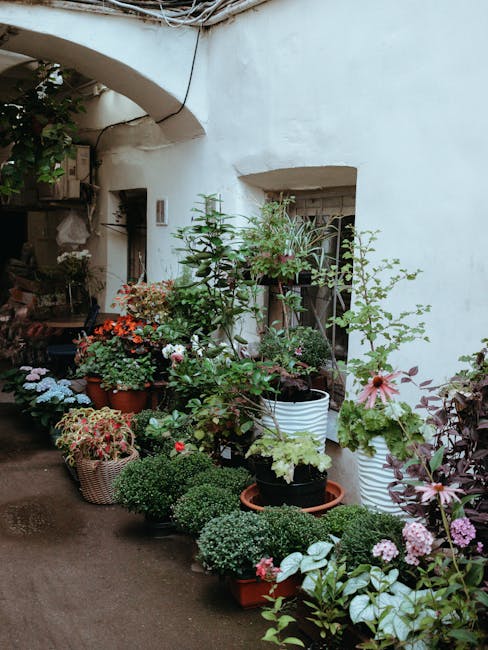
Angel Road Edmonton gardeners for small courtyard gardens
Small courtyard gardens can be wonderfully rewarding, but let's be honest, they can also be awkward. A space that looks simple on paper often turns out to be full of shade, drainage quirks, narrow access, and not quite enough room for the ideas you had in mind. That is exactly why Angel Road Edmonton gardeners for small courtyard gardens are such a useful option: they understand how to make a compact outdoor space feel calmer, greener, and properly usable without turning it into a cluttered afterthought.
If you have a paved courtyard, a tight side return, or a modest walled garden that never seems to "work", the right approach can change everything. In this guide, you will find practical ways to plan, improve, and maintain a small courtyard garden, plus the common mistakes to avoid, the services that usually help most, and the decisions that matter before you spend a penny. Nothing flashy. Just grounded, useful guidance you can actually use.
Table of Contents
- Why this matters for small courtyard gardens
- How the process works
- Key benefits and practical advantages
- Who it is for and when it makes sense
- Step-by-step guidance
- Expert tips for better results
- Common mistakes to avoid
- Tools, resources and recommendations
- Law, compliance and best practice
- Options, methods and comparison
- Case study or real-world example
- Practical checklist
- Conclusion
- Frequently asked questions
Why Angel Road Edmonton gardeners for small courtyard gardens Matters
A small courtyard garden is not just a smaller version of a big garden. That sounds obvious, but it is where many people go wrong. In a compact space, every choice is magnified: the paving finish, the planting height, the amount of light, the route you walk through the garden, even how much visual "breathing room" exists between features. One oversized pot can dominate the whole thing. One poorly placed shrub can make the space feel cramped for years.
That is where local, practical gardening support matters. Gardeners who work on small courtyard gardens tend to think differently. They are usually looking at the whole picture: access, maintenance, privacy, drainage, and how the garden will feel on a wet Tuesday in November as much as on a sunny Saturday in May. A good result is not about filling every gap. It is about shaping a space that feels intentional.
In Edmonton, small courtyards often need flexible solutions because the conditions can change from one corner to the next. You might have a sunny patch by the wall, a damp strip near the back, and a narrow passage that never dries out quickly after rain. That mix can be annoying, truth be told, but it also gives you options. Some plants will love it. Others won't. Good gardeners know the difference.
If the space is being used for family seating, container planting, pets, or just somewhere to put a chair and a cup of tea, then the design has to support real life. Not a showpiece. Real life. A courtyard garden should earn its keep, especially when every square metre counts.
For people wanting a broader view of available services, it can help to start with the services overview and then narrow down to the tasks that suit the space best.
How Angel Road Edmonton gardeners for small courtyard gardens Works
Small courtyard gardening usually works best as a staged process. The first visit or conversation is about understanding the space, not rushing into planting. A proper gardener will look at how the courtyard is used, what the light is doing, where water pools, what needs to stay, and what is honestly getting in the way.
Then comes the practical part. That might involve clearing out tired plants, tidying edging, refreshing soil, improving containers, pruning overgrown growth, or reshaping the layout so movement feels easier. If the courtyard has been neglected, a bit of clearing first can make a huge difference. In some cases, a light reset is all it takes; in others, you need a more substantial tidy-up before the space can be improved. Services such as garden clearance are especially helpful where the courtyard has become crowded or unused.
After that, the design decisions begin. In a small area, successful work tends to follow three principles:
- Simplicity: fewer, better-chosen features usually beat lots of small distractions.
- Layering: use different heights, leaf shapes, and textures so the space feels richer without becoming busy.
- Function: every feature should earn its place, whether that is seating, screening, planting, or storage concealment.
Maintenance is the bit people forget until six weeks later when the courtyard is already looking slightly wild again. Small spaces often need lighter but more regular attention. That might mean trimming back fast growers, keeping paths clear, checking drainage points, and staying on top of weeds before they set in. A sensible garden maintenance plan keeps a compact garden looking deliberate rather than neglected.
There is no magic formula. But there is a rhythm. Clear, improve, plant, maintain. Simple. And yes, simple is usually the clever part.
Key Benefits and Practical Advantages
There is a lot to like about professionally managed small courtyard gardens, especially when the layout starts out awkward or bare. The benefits are not just visual. They are practical, and sometimes a bit emotional too. A well-finished courtyard can make a home feel larger, calmer, and more finished.
- Better use of space: small gardens often waste space at the edges. Thoughtful layout recovers that lost room.
- Improved privacy: taller planting, screening, or layout changes can reduce overlooking without making the space feel boxed in.
- Easier upkeep: the right plant choices and hardscape layout reduce constant tidying.
- Stronger visual impact: in a small courtyard, quality materials and well-placed planting stand out immediately.
- More usable seating areas: a courtyard that is designed properly often becomes the place people actually use.
One of the biggest advantages is that small courtyards can be transformed without needing huge structural work. You do not always need to rip everything out. Sometimes a cleaner edge, a better route through the space, and a few carefully chosen features are enough. A modest shift in layout can make the garden feel twice as generous. That sounds dramatic, but anyone who has lived with a tiny outdoor space knows how big small changes can feel.
There is also a seasonal benefit. In winter, courtyard gardens are often visible from inside the house more than they are used outdoors. That means structure matters: evergreen planting, tidy lines, and hard landscaping details can keep the garden looking alive even on grey days. In summer, those same choices help create a cooler, more restful place to sit. Nice when it happens, isn't it?
For homeowners comparing layout options, the broader landscape gardening and landscaping services may also be relevant where the courtyard needs a more complete redesign.
Who This Is For and When It Makes Sense
This kind of gardening support makes sense for several types of property and several very different personalities, frankly. Some people want a neat space with almost no ongoing effort. Others want a place to entertain, grow herbs, or build a quiet pocket of green outside the kitchen. The starting point changes, but the planning logic is the same.
You are probably a good fit for this type of service if:
- your courtyard feels too narrow, dark, or crowded;
- you want a more attractive outdoor area but do not want constant maintenance;
- the space has weeds, poor soil, or tired planting that never thrives;
- you need privacy from neighbouring windows or shared access points;
- you want container planting, raised beds, or a low-maintenance layout;
- you have difficulty imagining what would actually work in the space.
It also makes sense if you are preparing a property for sale or rent. A compact garden can strongly influence first impressions. Even small improvements can make the outdoor space feel intentional rather than overlooked. Nobody needs a country estate feel. They just need to feel that someone cared.
There is a practical side too. Some courtyards are awkward because of access. Materials may need carrying through the house, drainage may be difficult, and there may not be room for large machinery. In those situations, a gardener with real small-space experience will usually plan in a very different way from someone used to open lawns and bigger plots.
And if the garden is more than just planting, you may need extra work such as decking services to create a usable sitting area or lawn mowing support if the courtyard includes a small strip of turf or a hybrid layout.
Step-by-Step Guidance
If you are trying to improve a small courtyard garden, the easiest way to think about it is as a sequence. Skip the sequence and you tend to end up with a garden that looks fine for a month, then slides back into clutter. Here is a practical way to approach it.
- Assess the space honestly. Look at light, shade, access, damp patches, existing plants, and what the garden is supposed to do. Seating? Planting? Screening? All of the above?
- Clear the clutter first. Remove dead plants, broken pots, overcrowded containers, and anything that blocks movement. A small courtyard needs visual room.
- Decide on the main function. Will the space be for relaxing, growing herbs, entertaining, or simply looking tidy from indoors? Pick the priority. Everything else supports that.
- Choose a limited palette. Fewer materials and plant types usually create a cleaner, calmer result. Repetition is your friend in small spaces.
- Improve the structure. Use planters, edging, paving, screens, or a simple seating zone to make the layout feel organised.
- Plant with maturity in mind. The plant that looks tiny in a pot may become a monster later. That is a very common surprise.
- Set up maintenance routines. Watering, pruning, and weed control should be realistic for how often you can manage them.
- Review after a few weeks. See what feels crowded, what is thriving, and what needs adjusting. A courtyard often reveals itself slowly.
A useful rule: if you are unsure about whether to add one more feature, probably don't. Small gardens benefit from restraint. A good courtyard does not feel empty, but it also does not feel crowded. That balance is what makes it work.
What to prioritise first
In most cases, the order should be: clearance, structure, planting, then details. Not the other way around. It is tempting to start with decorative pots or a statement plant, but if the base layout is wrong, those nice bits will not rescue it. They just won't.
Expert Tips for Better Results
Small courtyard gardens reward good judgement. They also punish overconfidence a bit. A few smart choices can create the feeling of space, while one or two poor choices can make the garden feel boxed-in and fussy. Here are the habits that tend to pay off.
- Use vertical space carefully. Trellises, climbers, and wall planting can add softness without stealing floor area.
- Mix leaf textures. In a small space, different leaf shapes matter more than lots of flower colour. That gives depth without noise.
- Keep a simple circulation path. You should be able to walk through the garden without stepping around things constantly.
- Prefer containers that suit the scale. Huge pots can look dramatic, but only if the courtyard has room for them.
- Use repetition. Repeating a planting style or container shape creates calm. It is a bit like tidying a sentence, really.
- Plan for winter views. A courtyard seen from the kitchen window should still look decent when the weather turns.
- Think about water and drainage early. Wet feet, puddles, and moss can quickly ruin the feel of a small outdoor area.
One small but often overlooked tip: leave a bit of "visual edge" around the main seating area. If every surface is full, the garden can feel tiny even if the measurements are fine. A little spare space goes a long way. It gives the eye somewhere to rest.
If your courtyard has hedges, boundary plants, or screening shrubs that are starting to press in, hedge trimming can help restore breathing room and keep light moving through the garden.
Common Mistakes to Avoid
Most courtyard garden problems do not come from one huge error. They come from several small choices that build up. The space gets crowded, maintenance gets harder, and the garden slowly stops being used. You know the sort of thing. Here are the big ones.
- Choosing plants that outgrow the space. Fast-growing shrubs can quickly overpower a courtyard.
- Using too many materials. Too many paving colours, pot styles, or finishes makes a small space feel chaotic.
- Ignoring drainage. Courtyards often trap water. If that is not addressed, plants struggle and surfaces stay slippery.
- Buying for the shop display instead of the site. A lovely plant is not useful if it hates shade, wind, or wet soil.
- Filling every corner. A compact garden needs some restraint. Empty space is not wasted space.
- Forgetting maintenance access. If you cannot reach the back of a planter or prune a climber safely, it becomes a problem later.
- Starting with decor before structure. Cushions and lanterns are nice, but not if the layout is awkward.
There is also the "too much perfection" trap. It sounds odd, but people sometimes over-design small gardens until they lose warmth. A courtyard should feel cared for, not clinically arranged. You want tidy, yes, but not sterile. There is a difference, and you can feel it the moment you step outside.
Tools, Resources and Recommendations
For small courtyard gardens, the best tools are often the simplest ones. You do not need a shed full of gadgets. You need reliable basics and a realistic plan for upkeep. That is what keeps the space working day to day.
| Need | Useful approach | Why it helps |
|---|---|---|
| Regular upkeep | Light seasonal visits and routine tidying | Prevents the garden from slipping into clutter |
| Hidden mess | Garden clearance | Removes dead growth, debris, and unwanted buildup |
| Ongoing care | Garden maintenance | Keeps planting, edges, and surfaces in good condition |
| Overgrown boundaries | Hedge trimming | Restores light and space in tight courtyards |
| Full redesign | Landscape gardening | Helps reshape the garden around real use and flow |
It is also worth choosing materials that age well. In a courtyard, you see everything up close. Cheap finishes and flimsy containers tend to stand out very quickly. Better to buy fewer things that last. A good pot, a well-sized planter, and some properly selected compost are more useful than a dozen random decorative bits that look tired by autumn.
For households thinking about sustainability, practical waste handling, and responsible green waste management, the page on recycling and sustainability is worth a look. It is one of those topics people ignore until the bags start piling up.
Law, Compliance, Standards, or Best Practice
With courtyard garden work, the main compliance concerns are usually practical rather than dramatic. You are not usually dealing with complex planning issues unless there are major structural changes, boundary questions, or protected trees. Still, it is sensible to work carefully and understand the basics.
Good practice normally includes the following:
- Respecting boundaries and access rights: especially in tightly packed housing where gardens sit close together.
- Working safely with tools and access: particularly where steps, narrow routes, or awkward slopes are involved.
- Checking whether a tree or hedge may need special consideration: larger growth can affect light, neighbours, and long-term maintenance.
- Using appropriate disposal methods for waste: green waste should be handled responsibly.
- Confirming materials and work scope clearly: small jobs can become muddled if expectations are not agreed early.
If a courtyard garden includes trees, very large shrubs, or branches near buildings, then you should think carefully before making major cuts yourself. A professional approach is usually safer, especially where access is restricted. Services such as tree lopping and removal may be relevant when growth has become more than a simple trim.
It is also sensible to choose a provider that is clear about trust, safety, and working methods. Pages such as health and safety policy, insurance and safety, and terms and conditions can give you a better sense of how work is organised and what to expect. That matters more than people think, especially when access is tight and every decision has to be tidy.
Options, Methods, and Comparison Table
Small courtyard gardens can be improved in a few different ways. Some people want a quick tidy-up. Others want a more structured transformation. There is no single "right" method, but there is usually a method that fits the space, budget, and level of ambition better than the others.
| Approach | Best for | Strengths | Limitations |
|---|---|---|---|
| Basic tidy and refresh | Courtyards that are mostly fine but untidy | Quick improvement, lower disruption | May not solve layout problems |
| Planting-led update | Spaces that need softness and colour | Transforms mood without major building work | Needs the right light and care routine |
| Hard landscaping focus | Courtyards with poor flow or awkward surfaces | Creates structure and usability | Can be more expensive and disruptive |
| Mixed redesign | Gardens with several issues at once | Balanced, long-term solution | Takes more planning |
For some properties, a small amount of hard landscaping makes the whole thing work better. For others, the smartest move is simply to improve the planting and stop overcomplicating the space. The important bit is matching the approach to the problem, not to a trend you saw elsewhere.
If the garden needs a clearer route, better surfaces, or a more usable seating area, then a look at decking services or broader landscaping support may be worthwhile. If the space is already sound but just a bit tired, maintenance and trimming may do the job far better.
Case Study or Real-World Example
Picture a small walled courtyard behind a terrace house. It has pale paving, two tired planters, a narrow strip of soil along one wall, and a shrub that has quietly grown into a bit of a bully. The owner says the same thing many people say: "It never quite feels finished."
In a case like that, the best first move is usually not to add more plants. It is to simplify. Clear out dead material, trim back the shrub, define the sitting area, and decide what role each wall will play. One side may suit climbers. Another may suit a pair of taller pots for structure. The shady corner might do better with foliage plants than flowers. The sunny patch might hold herbs or a compact seasonal display.
After the reset, the garden suddenly feels more generous. Not because it got bigger. It did not. But the eye can move more easily, the space is easier to walk through, and the garden begins to look intentional from the kitchen window. That last bit matters more than people realise. A courtyard that looks good from inside often gets used more often, especially on colder days when stepping outside means dodging a breeze and probably a mug of tea in one hand.
The strongest transformation in small gardens is usually not the loudest one. It is the one that makes the space calmer.
Practical Checklist
Use this checklist before starting work on a small courtyard garden. It keeps decisions grounded and helps avoid the usual false starts.
- Have I identified the main purpose of the garden?
- Do I know which areas get sun, shade, wind, and standing water?
- Have I removed items that are blocking movement or stealing visual space?
- Are my plant choices realistic for the conditions and the size of the courtyard?
- Have I allowed enough room for maintenance access?
- Do the materials and containers suit the scale of the garden?
- Is there a plan for regular care, not just the initial makeover?
- Have I considered privacy, screening, and neighbour boundaries?
- Do I need clearance, trimming, or larger landscaping support first?
- Have I checked the provider's trust pages and service information, including about us, pricing and quotes, and contact us?
If you can tick most of those off, you are in a good place. If not, that is fine too. Better to catch the issues now than after the first round of planting.
Conclusion
Small courtyard gardens do not need to be complicated to be beautiful. In fact, the best ones usually are not. They are carefully arranged, lightly maintained, and designed around how the space is actually lived in. That is the heart of good work from Angel Road Edmonton gardeners for small courtyard gardens: practical thinking, tidy execution, and a real feel for what makes a compact outdoor area comfortable rather than cramped.
Whether your courtyard needs a full reset, a smarter planting plan, or just a bit of disciplined trimming and maintenance, the right approach can make it feel more open, more welcoming, and much easier to enjoy. Start with the space you have, not the space you wish you had. That is where the good stuff begins.
Get a free quote today and see how much you can save.
If you are ready to shape a courtyard that feels calm and useful instead of squeezed and awkward, take the next step with confidence. A small garden done well can be one of the nicest places in the home, and sometimes the simplest spaces end up being the ones you love most.
Frequently Asked Questions
What do Angel Road Edmonton gardeners for small courtyard gardens usually help with?
They usually help with planning, tidying, planting, layout improvements, hedge or shrub trimming, and ongoing maintenance. In small courtyards, the job is often about making better use of space rather than adding lots of features.
How do I make a tiny courtyard garden look bigger?
Use a simpler layout, repeat materials and plant shapes, keep paths clear, and avoid overcrowding. Vertical planting and restrained container choices can also help the space feel more open.
Can a small courtyard garden still have privacy?
Yes. Privacy can come from smart screening, taller planting in the right places, climbers, or careful use of planters and structures. The trick is to add privacy without making the garden feel boxed in.
Is a courtyard garden high maintenance?
It does not have to be. In fact, a well-designed courtyard can be lower maintenance than a larger garden because the space is easier to manage. The key is choosing plants and surfaces that suit the conditions.
What plants work best in small courtyard gardens?
That depends on light, shade, and shelter, but compact, well-behaved plants usually work best. Mixed foliage, evergreen structure, climbers, and container plants are often useful because they give interest without taking over.
Do I need landscaping or just garden maintenance?
If the layout is already good, maintenance may be enough. If the space feels awkward, overcrowded, or poorly planned, then landscaping or landscape gardening may be the better route. Sometimes the honest answer is a bit of both.
What should I do first if my courtyard is overgrown?
Start with clearance. Remove dead growth, unwanted clutter, and anything blocking access. Once the space is readable again, you can make better decisions about planting and layout. It is hard to design through chaos.
How often should a small courtyard garden be maintained?
That depends on the planting and season, but small spaces often benefit from more regular light maintenance rather than occasional heavy work. A little and often usually keeps things tidier and easier to manage.
Can decking or paving work in a small courtyard?
Yes, provided the scale is right. A small courtyard can benefit from one clear seating or circulation surface, but too many materials can make it feel busy. Good hard landscaping should simplify the space, not fight it.
Are there safety issues with courtyard garden work?
There can be. Narrow access, uneven surfaces, damp conditions, and taller growth near walls or structures can all create risks. That is why safe working practices and proper insurance matter, especially when tools and access are tight.
How do I know if I need hedge trimming or tree work?
If hedges or branches are reducing light, crowding the courtyard, or making the space feel enclosed, trimming may be needed. If growth is larger, awkward, or near buildings, professional assessment is a sensible move.
What is the best first step if I want to improve my courtyard this season?
Look at the space honestly and decide on one main outcome: tidier, greener, more private, or easier to use. Then start with the simplest fix that supports that goal. A clear plan saves time, money, and a fair bit of head scratching.